Greek spices aren’t a pantry upgrade. They’re the whole point!
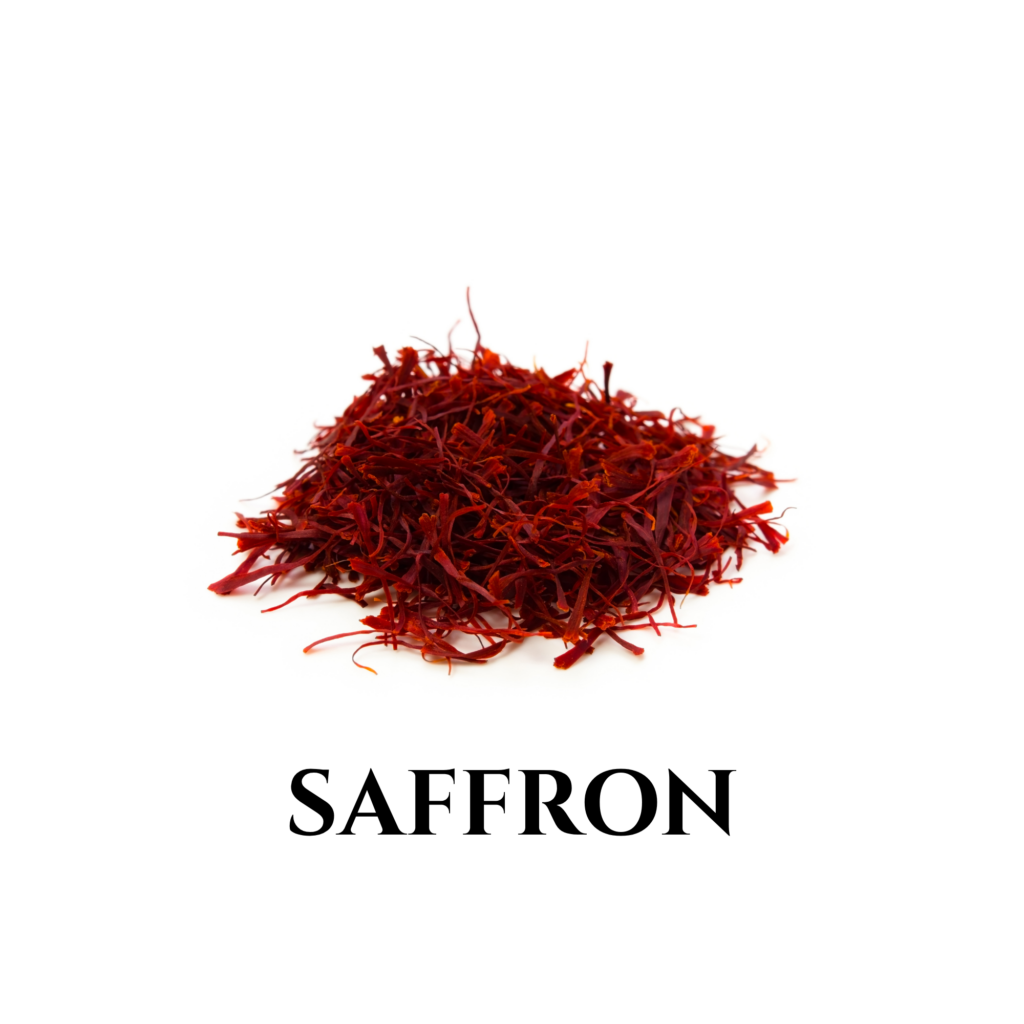
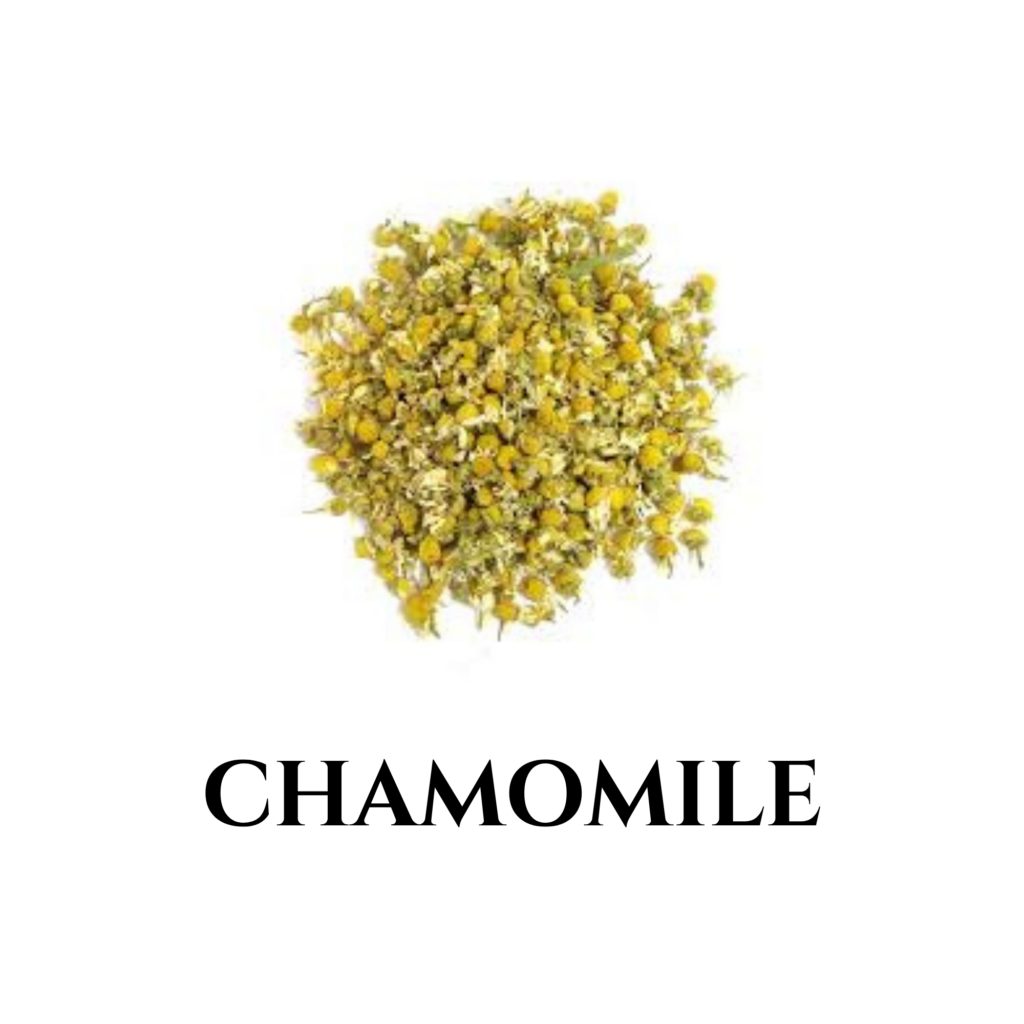
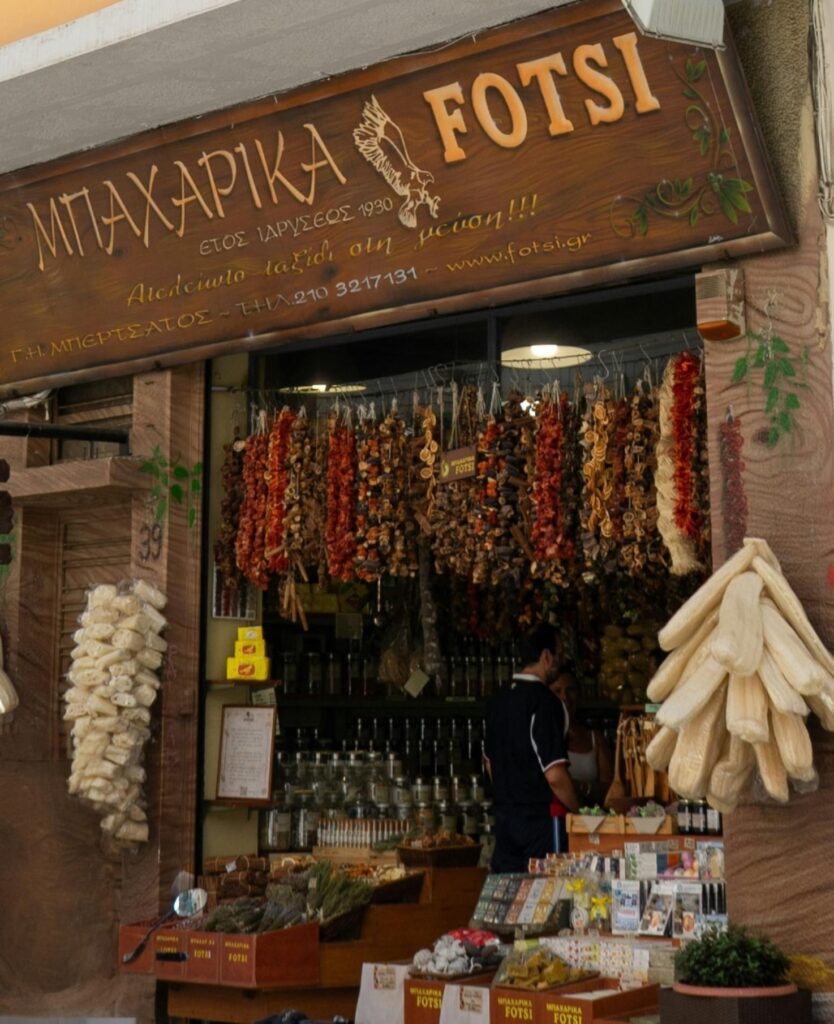
Walk through any Greek city or town and at some point you’ll find yourself stopped in front of a small open-air stall or market shop that smells like the entire country distilled into one place. Bundles of wild oregano. Deep red paprika and local Saffron, incredibly cheap. Chamomile dried to papery gold. These aren’t gourmet imports shipped across three continents. They’re grown locally, often organically – no certification needed, just the way it’s always been done. These spices are harvested by hand and dried in the Greek sun until they’re intensely fragrant. Spices in Greece are not a specialty item. They’re a way of life.
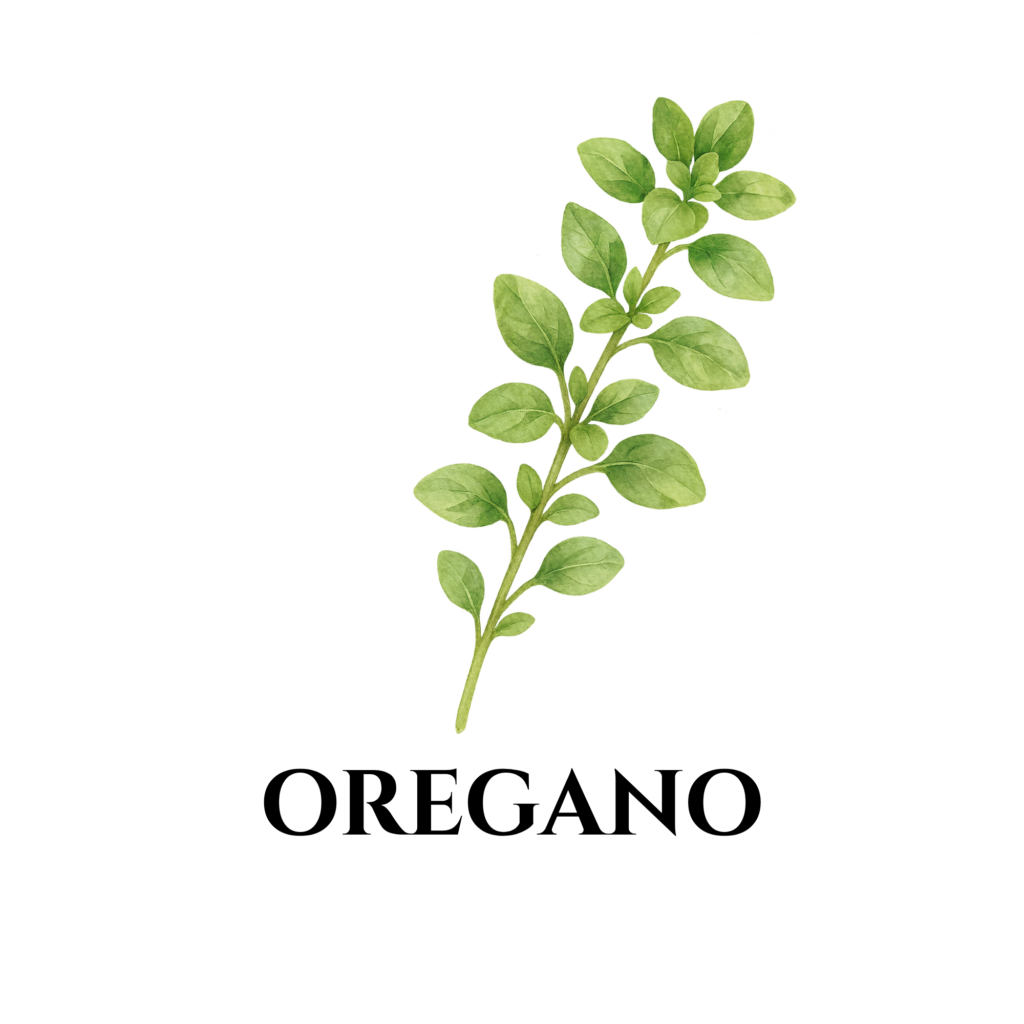
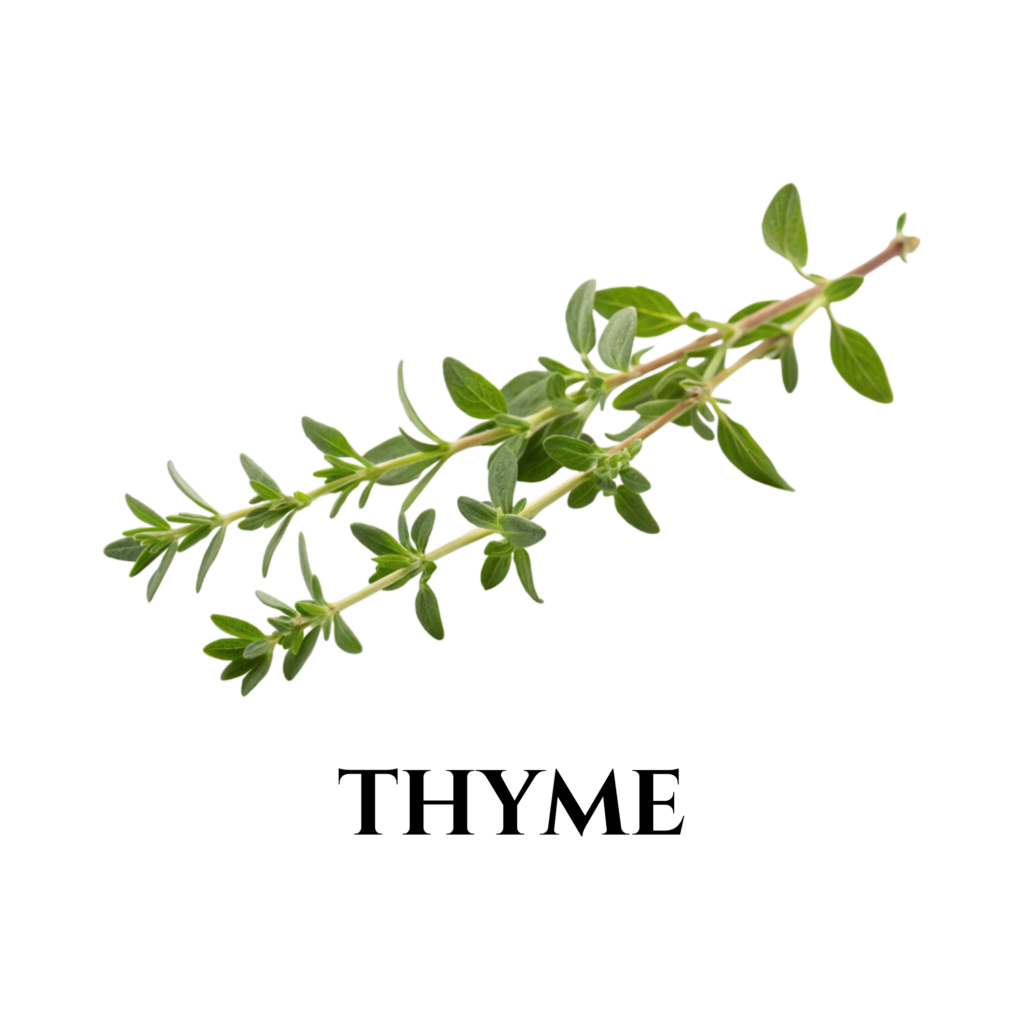
And here’s what I want you to understand: the difference between what you’re currently reaching for in your spice cabinet and what grows wild on a Greek hillside is not subtle. It’s not a “oh, that’s a bit nicer” situation. It’s a revelation. Once you cook with real Greek oregano, actual Greek thyme, the stuff you grew up with starts to seem vaguely decorative.
PICTURE THIS
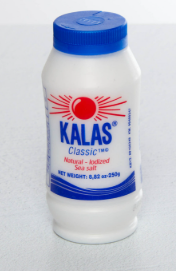
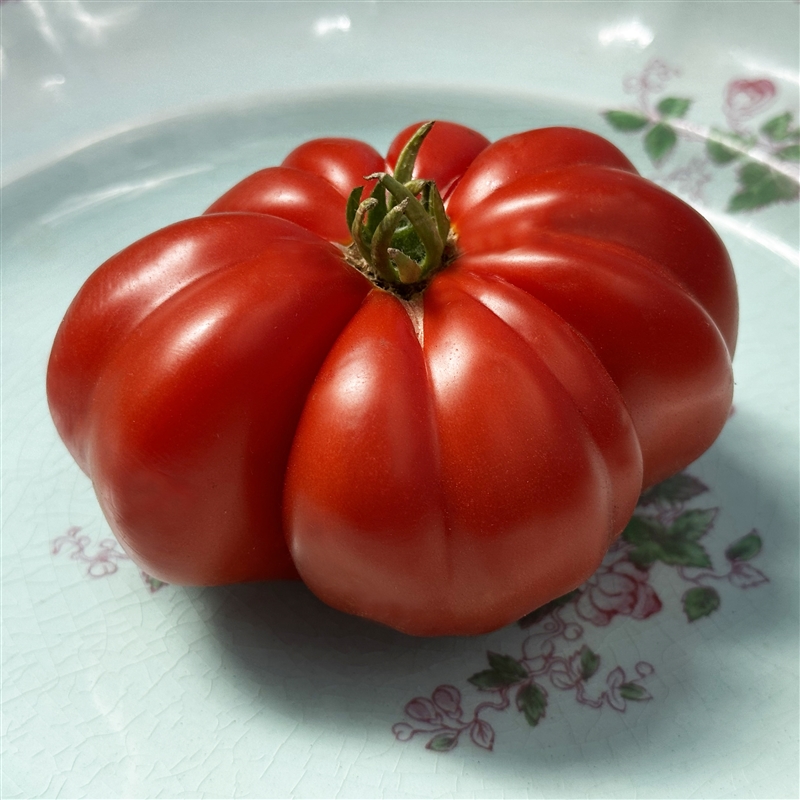
A summer tomato – one grown in your garden or fresh from the farmer’s market – heavy and deeply red. You slice it just the way you like it onto a plate. Add a generous crumble of real Greek feta, slice half an onion, a long pour of golden, rich, extra virgin Greek olive oil and watch it pool at the edge of the plate. Then sprinkle some sea salt (Greek “Kalas” Sea Salt) and a big pinch of oregano, grown on Mt. Olympus, home of the twelve gods, dried in the Greek sun until it’s oils are concentrated into something almost sacred. Don’t forget the bread for dipping… That is Greece on a plate in your own kitchen.
*a recent 2026 report from the Greek Ministry of Rural Development and Food, found that 97.7% of Greek plant-based food products were free of dangerous pesticide residue.
My Greek pantry non-negotiables
I’m not going to hand you a list of 30 herbs and tell you to stock your shelves. These are the ones worth having, the ones I personally use, and the ones that show up in Greek cooking again and again. I’m also offering reliable sources to find them so you don’t have to take anyone else’s word for it. And, you can find recipes from kitchens all over Greece to use them in.
*Whenever you purchase anything “Greek, just look for the

on the packge to know it’s authentically from Greece.
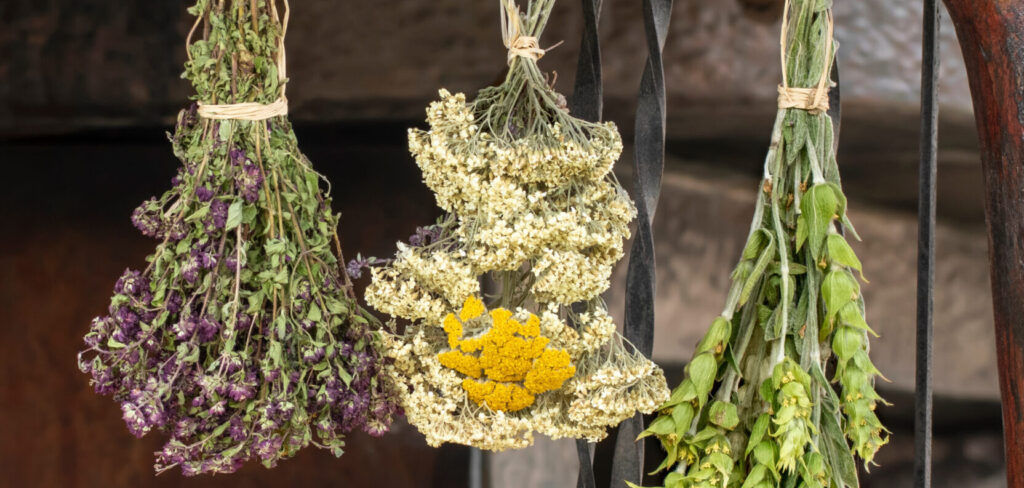
Greek Oregano
Greek Thyme
Kozani Saffron
Greek Cinnamon
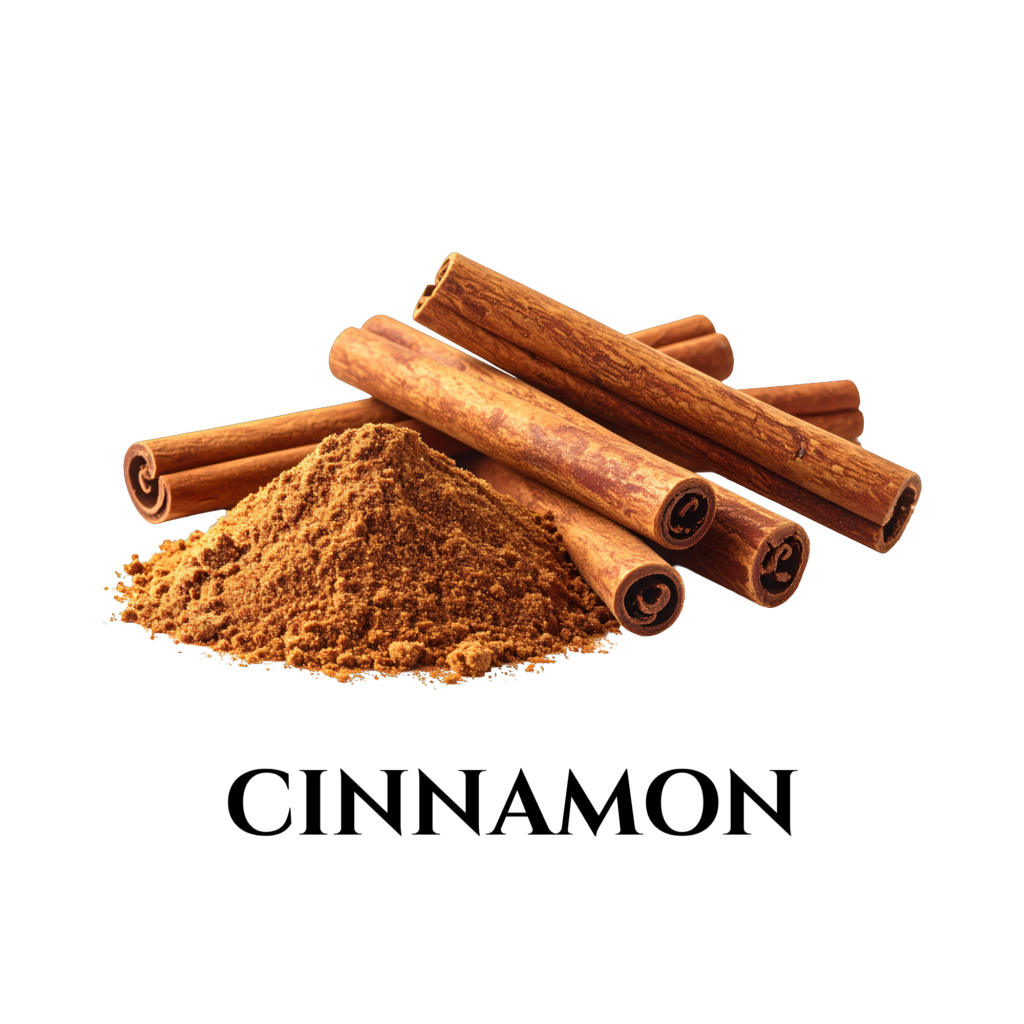
This is nothing like the cinnamon you know. If you think cinnamon is only for baking, Greek cuisine is about to correct that assumption. Cinnamon shows up in savory dishes across Greece, in lamb stews, pastitsio, and moussaka. It adds a warmth that reads as depth rather than spice, and it's the secret note that makes Greek meat dishes taste so distinctly different from anything else you've had. Greek cinnamon sticks are fragrant and true - once you smell them, your supermarket jar will seem like a sad imitation.
*Find Greek Cinnamon at a Greek Market, most ship across the USA. Go Greek, Titan Foods, Greek Emporium are all good examples and places I use often.
Greek Chamomile
Kalas Greek Sea Salt
Real Greek dishes, not the stripped-down versions you'll find on a generic food blog
Why taste it from a package when you can taste it from the source?
These spices are the closest I can get you to Greece from where you’re standing. But if you want the real thing, the actual market, the actual hillside, the actual plate of tomatoes in a seaside taverna, let’s talk. I’ve spent years building the kind of knowledge you can’t Google, and I use every bit of it to build trips that are nothing like what everyone else is doing in Greece.